The Strategic Impact of Funny T-Shirt Designs
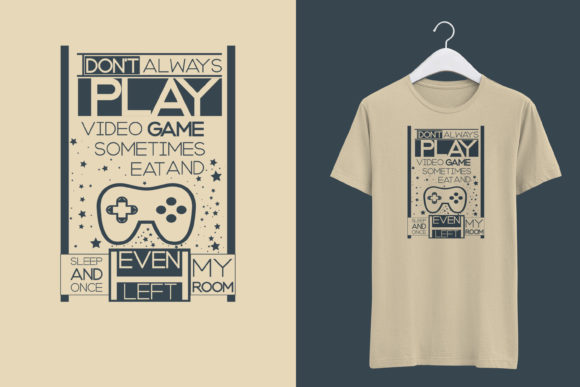
In the world of merchandising and personal branding, a simple piece of apparel can carry significant strategic weight. The T-Shirt I Don't Always Play Video Games design exemplifies this perfectly. Beyond its surface humor, this piece of digital clip art represents a thoughtful intersection of niche marketing, psychological connection, and operational leverage. For entrepreneurs, creators, and small business owners, understanding the utility of such assets is key to making smarter business decisions and achieving better commercial results.
Beyond the Laugh: Positioning and Communication Value
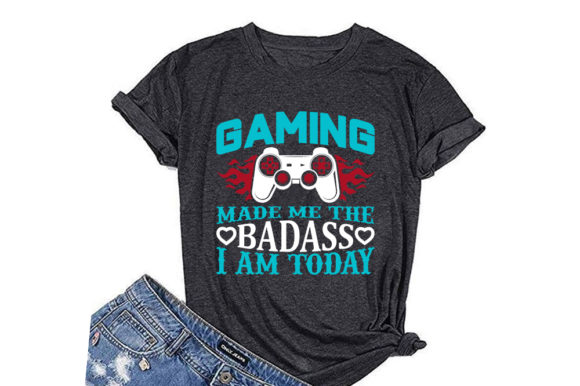
A design like the T-Shirt I Don't Always Play Video Games isn't merely a graphic; it's a communication tool. It instantly identifies and speaks to a specific community—gamers. The humor is self-aware and relatable, creating an immediate bond with the target audience. Strategically, this offers a powerful shortcut to positioning. By utilizing this pre-vetted, resonant messaging on your products, you bypass the costly and uncertain process of developing a brand voice from scratch for this niche. It communicates that you understand the customer's world, which is a foundational principle of effective marketing.
This is particularly useful for those operating print-on-demand stores or small apparel businesses. Your goal is to connect and convert quickly. The design acts as a proven vehicle for that connection, allowing you to focus your resources on operations, customer experience, and scaling, rather than on speculative creative development. The decision to use such a design should be intentional: it’s a choice to align your product line with established, high-affinity cultural touchpoints.
Operational Efficiency and Creative Leverage
The practical package accompanying the T-Shirt I Don't Always Play Video Games—the AI, EPS, PNG, and SVG files—is a lesson in operational readiness. Having multiple high-resolution, transparent-background file formats translates directly into efficiency and flexibility. For a practitioner, this means you can immediately deploy the asset across various channels and products without technical bottlenecks. You can print it on a t-shirt, apply it to a mug, use it for a vinyl decal, or integrate it into a larger marketing campaign without needing to convert or adjust the core file.
This reduces friction in your workflow and accelerates your time-to-market. It’s a strategic enabler for testing ideas quickly. For instance, you could use the PNG to upload a product mockup to your POD website in minutes, gauge interest, and then use the SVG for bulk production orders through a cut machine or professional printer. This multi-file approach supports agile decision-making in product line expansion.
Strategic Considerations Before Deployment
However, relying on any pre-made asset requires contextual thought. The primary risk of using the T-Shirt I Don't Always Play Video Games design without clear goals is commoditization. Since it's available to others, your version risks becoming just another option in a crowded field if not thoughtfully integrated. Your strategic use must therefore extend beyond the graphic itself.
Consider your unique value proposition. Will you offer it on a premium material like a tri-blend hoodie? Will you pair it with a clever product description that enhances the joke? Will you bundle it with other gamer-themed items to create a curated gift set? The design is your raw material; your business acumen and customer experience design are what will create long-term results and differentiate your offering. Use it intentionally as a component of a larger, customer-centric plan.
Long-Term Branding and Community Building
While the design is a single product idea, its repeated and thoughtful use can contribute to broader branding outcomes. If your store becomes known for a curated selection of authentic, funny gamer merchandise—starting with staples like the T-Shirt I Don't Always Play Video Games—you build reputation and authority within that niche. This attracts repeat customers and fosters community. Your operations evolve from selling single items to serving a specific audience segment.
This path requires planning. You might start with this popular design to generate initial traction and learn about your customer base. Then, observe what complementary products they seek. The data and feedback you gather become the basis for informed decisions on what to develop or source next, turning a one-time purchase of a digital file into a sustainable market research and brand development tool.
Practical Application and Realistic Use Cases
Let’s ground this in realistic scenarios. For a freelance designer or blogger focusing on gaming culture, the SVG file could be used to create custom stickers or decals as merchandise for their audience, adding a tangible revenue stream. For a small business owner running a local print shop, the high-resolution EPS file ensures professional-quality output for custom client orders, enhancing their service portfolio. For a marketer managing a corporate event for a tech company, the transparent PNG could be layered onto virtual swag bag images for a digital campaign.
The common thread is the strategic intent: the asset is deployed not randomly, but to support a specific goal—customer acquisition, service expansion, or campaign engagement. The T-Shirt I Don't Always Play Video Games design is versatile, but its effectiveness is determined by the clarity of your objective.
Achieving Better Results Through Intentional Assets
Ultimately, the value of any tool lies in how it is wielded. The T-Shirt I Don't Always Play Video Games digital clip art package is a tool for efficiency, connection, and testing. By approaching it with a practitioner’s mindset, you can make better decisions about your product lines and marketing efforts. You save creative resources where it makes sense—using a proven, resonant design—and you allocate those resources to areas where you can truly differentiate: quality, customer service, and holistic brand experience.
Before integrating such an asset into your operations, ask the strategic questions: Does this align with my target audience? How will I contextualize it to avoid being just another vendor? What operational steps does this simplify for me? What data or learning can I derive from its launch? Answering these shifts the focus from simply having a funny t-shirt design to leveraging a strategic merchandising component for improved planning and outcomes. The result is not just a product listed on a store, but a thoughtful step in building a sustainable, customer-focused business.