The Rise of Gaming Culture and the "Can't Hear You, I'm Gaming" Phenomenon
In today's digital landscape, the boundary between personal identity and professional persona is increasingly blurred. For a growing segment of professionals, creators, and enthusiasts, gaming is not merely a hobby; it’s a core component of their lifestyle and a significant aspect of their social identity. This shift has catalyzed a vibrant market for products that celebrate this identity, with phrases like "Can't Hear You, I'm Gaming" emerging as powerful cultural shorthand. This statement, often seen emblazoned on apparel, encapsulates a specific moment of focused immersion and communicates a shared understanding among a community.
Understanding the "Can't Hear You, I'm Gaming" Ethos
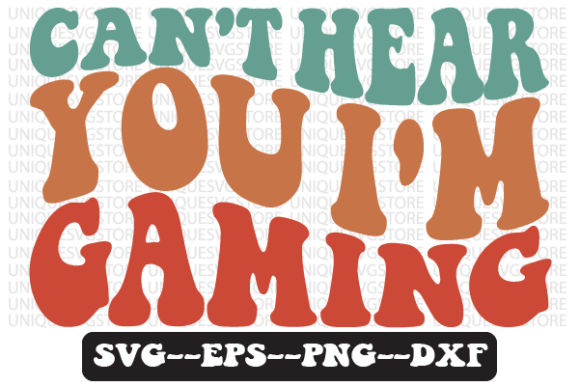
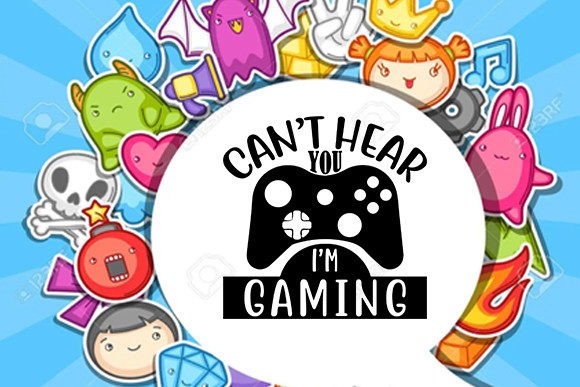
The phrase "Can't Hear You, I'm Gaming" transcends simple humor. It represents a declaration of presence within a digital realm. For many, gaming sessions are periods of deep engagement, strategic thinking, teamwork, or competitive focus. The statement humorously yet firmly establishes a boundary, signaling that the individual is currently operating within a context that demands their attention. It's a badge of participation in a globally interconnected activity, resonating with millions who understand the commitment required in a multiplayer match, a complex narrative-driven campaign, or a high-stakes ranked play.
This cultural artifact fits seamlessly into broader trends of identity-driven consumption. Professionals and freelancers, who often navigate fluid work-life integrations, seek ways to visually express their passions outside their traditional professional domains. A "Can't Hear You, I'm Gaming" design acts as a connective tissue between their skilled, outward-facing selves and their personal, recreational interests. It’s a statement of holistic identity, acknowledging that one's expertise in business or technology does not preclude a deep engagement with gaming culture.
Market Relevance and Changing Consumer Expectations
The attention paid to such niche, expressive products is a direct reflection of evolving consumer preferences. The digital marketplace, particularly for creators and entrepreneurs, has shifted toward personalization and immediacy. Consumers no longer want generic merchandise; they seek items that reflect specific subcultures, moments, and attitudes they personally embody. The demand for a "Can't Hear You, I'm Gaming" design is a practical example of this. It serves a precise need: to wear a symbol that communicates belonging to a particular community and state of mind.
The Digital Product Model: Aligning with Creator and Customer Workflows
The offering of this design as a digital download—comprising a print-ready file in 100% vector format with high-quality design files included in EPS, JPG, PNG, SVG, and DXF—is strategically aligned with contemporary workflows. This model caters directly to several key audiences:
- Entrepreneurs and Merchants: They can integrate the vector file into their production pipelines—for screen printing, vinyl cutting, or embroidery—with zero loss in quality, enabling rapid scaling and customization.
- Content Creators and Marketers: The provided formats (like PNG and JPG) allow for immediate use in digital content, promotional materials, or community branding, supporting a cohesive visual strategy.
- Enthusiasts and DIY Consumers: Access to multiple file types empowers individuals to use the design for personal projects, from custom apparel to unique decals, using home cutting machines or local print services.
This approach eliminates traditional friction. There is no wait for physical shipment, no inventory risk for the seller, and the customer gains immediate access to a versatile asset. The inclusion of a .zip file containing all formats underscores a commitment to utility, ensuring the user has the correct file for their specific software or hardware application, whether it's for professional Adobe Illustrator work (using the EPS) or a hobbyist's Cricut project (using the SVG or DXF).
Connecting to Larger Developments in Technology and Commerce
The prominence of such digital products is inextricably linked to larger developments. The democratization of design tools and on-demand manufacturing technology has created a fertile ground for micro-trends and niche expressions. A phrase like "Can't Hear You, I'm Gaming" can quickly gain traction through social media and streaming platforms, and the digital product model allows that momentum to be capitalized upon instantly. It reflects a just-in-time creative economy where cultural moments are rapidly translated into tangible goods.
Furthermore, this aligns with a movement towards open and flexible creative assets. Professionals across industries understand the value of editable, scalable source files. Providing a true vector format is not just a feature; it's a recognition of the user's potential need to adapt, resize, or integrate the design into a larger composite work. It treats the design as a component in the user's creative or business process, rather than a static, final product.
Practical Applications and Observations
Consider a freelance graphic designer who also streams gameplay. They might purchase the "Can't Hear You, I'm Gaming" bundle to create a unique shirt for their on-camera presence, enhancing their channel's brand. A startup in the esports apparel space might license the design to quickly offer a trending product without investing in original illustration time. A marketing team for a tech company might use the PNG version in a internal presentation about engaging with younger, gaming-centric demographics. In each case, the value derives from the design's contextual relevance and the functional versatility of the delivered files.
The requirement for unzipping software like WinZip or WinRar is a minor, technical note that underscores the professional readiness of the package. It's a reminder that these are working, production-ready files, not merely a casual image download. This detail speaks to an audience that expects robustness and completeness in their digital tools.
Conclusion: A Symbol of Integrated Lifestyles
The interest in "Can't Hear You, I'm Gaming" and its availability as a comprehensive digital asset is a microcosm of modern digital culture and commerce. It highlights how specific, community-driven phrases gain cultural weight and become desirable symbols. For the professional, creator, or enthusiast, acquiring such a design is a practical decision. It provides a high-quality, adaptable resource that can serve business needs, personal expression, or community engagement. Ultimately, it represents the ongoing convergence of personal passion, professional pragmatism, and the technological infrastructure that makes expressing that convergence seamless and effective. In a world where "I'm gaming" can be a valid and important state of being, having the perfect design to declare it is both a practical utility and a mark of cultural participation.