Steampunk Gaming Console: Blending Retro Nostalgia with Modern Play
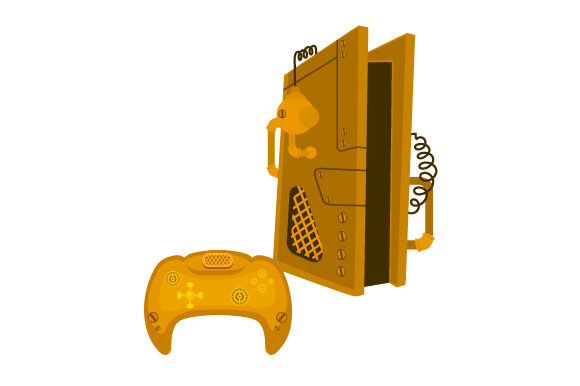
When you hear the term steampunk gaming console, it conjures an image that sits at a fascinating intersection. It’s not just a piece of electronics; it’s a design philosophy applied to one of our most modern forms of entertainment. The concept merges the ornate, mechanical aesthetics of an imagined Victorian-era future—full of brass, gears, clockwork, and wood—with the digital heart of a contemporary gaming system. Think polished copper trim framing a screen, faux gauge dials that might control brightness, and leather-wrapped controllers instead of plastic ones. It’s gaming hardware reimagined as a piece of bespoke, vintage-inspired art.
More Than a Gadget: A Statement Piece in Your Space
So where and why would someone use or create a steampunk gaming console? The primary answer isn't purely about performance specs. It’s about atmosphere and identity. For the adult enthusiast whose living room or study is already decorated with a certain thematic cohesion—maybe they have vintage maps, Edison bulb lighting, or custom furniture—a standard black plastic console can feel like an intrusion. A steampunk design integrates seamlessly. It becomes a conversation piece, a deliberate anchor that says the owner’s passion for gaming is woven into their broader aesthetic life.
This isn't for the competitive player solely focused on millisecond response times in a tournament setting. It’s for the person who enjoys a long, immersive narrative game on a Sunday afternoon, where the physical environment enhances the experience. Playing a game like BioShock or The Order: 1886, which themselves borrow from similar historical or alternate-history aesthetics, feels more authentic when your hardware visually echoes that world. The console itself sets the mood before the game even starts.
Creative and Commercial Applications
The concept extends far beyond personal use. For creators, entrepreneurs, and small business owners, a steampunk gaming console design is a potent visual asset. Received as an SVG file or transparent PNG, this design isn't a physical object you buy, but a digital file you apply.
A boutique board game café or a themed bar looking to create unique promotional material could use this graphic on their website, menus, or event posters to instantly communicate a niche, retro-futuristic vibe. An independent game developer crafting a steampunk-themed title might use the graphic on their store page or launch trailer to create immediate visual synergy between their game’s world and the imagined platform it’s played on, boosting thematic credibility.
For bloggers, publishers, and educators in fields like design history, alternative aesthetics, or gaming culture, the graphic serves as an excellent illustrative element. An article discussing the intersection of technology and art can use this image to make an abstract concept concrete. A YouTube video about DIY tech modding can feature it in the thumbnail to attract a specific audience interested in craftsmanship over mass production.
What Users Should Consider Before Applying the Design
If you’re looking to use a steampunk gaming console graphic—whether for a personal project, commercial branding, or educational content—a few practical considerations matter. First, assess the context and audience. This aesthetic is niche. It will resonate deeply with a certain community but might confuse or seem overly ornate to a broader, general audience. Using it on a mainstream tech blog might be incongruous, but on a site dedicated to retrofuturism or custom fabrication, it’s perfect.
Second, consider the quality and flexibility of the file formats you receive. An SVG file is vector-based, meaning it can be scaled to any size—from a tiny logo to a full-wall mural—without losing quality. This is ideal for branding and print. A transparent PNG is raster-based and perfect for digital compositing onto different website backgrounds or into video edits. Having both, plus EPS and DXF for professional design and CAD software, means you can adapt the graphic to almost any medium, from web to physical engraving.
Finally, think about originality and integration. A steampunk gaming console graphic is a strong standalone image, but its greatest impact comes when it’s thoughtfully merged with other elements. Don’t just slap it onto a page. Consider how its colors, lines, and textures can complement your existing color scheme, typography, or physical products. Does the brass in the graphic match the accents on your website? Can the gear motifs be echoed in other decorative elements? This cohesion turns a simple graphic into a holistic design language.
The DIY Builder and the Hobbyist’s Dream
For the hobbyist and everyday user with technical skills, the concept often sparks a hands-on project. The graphic can serve as the blueprint or inspiration for a real, functional mod. Someone might take an actual console, strip its standard casing, and build a custom enclosure using wood, metal, and found objects, aiming to make the physical unit resemble the digital design. This process is less about gaming and more about the joy of creation—the satisfaction of merging historical craftsmanship with modern technology.
In this scenario, the steampunk gaming console isn’t a purchased product but a personal achievement. It benefits the user by providing a deep, engaging project that combines research into steampunk art, basic engineering, electronics safety, and aesthetic design. The outcome is a one-of-a-kind item that reflects personal skill and taste, often showcased at maker fairs or within online communities dedicated to custom tech. The benefit here is entirely experiential and creative.
Connecting Features to Real Outcomes
Instead of listing features like “brass accents” or “gear motifs,” it’s more useful to connect these qualities to the outcomes they produce. The use of mixed materials (metal, wood, glass) in the design evokes warmth and tactile history, contrasting sharply with the cold, monolithic feel of modern tech. This outcome is emotional: it makes technology feel more human, approachable, and tied to a narrative.
The complex, non-symmetrical layouts and faux-functionality (dials, gauges, levers) suggest a machine with depth and mystery. In a commercial setting, this outcome is marketing: it implies a product with story and character, appealing to consumers who dislike disposable, minimalist gadgetry. For the educator, this visual complexity provides a tangible entry point to discuss how design influences our perception of technology’s purpose and era.
Ultimately, whether as a digital graphic applied to a website or as an inspiration for a physical build, the steampunk gaming console concept serves multiple needs. It satisfies a desire for personalized aesthetic coherence in our digital lives. It provides a powerful, ready-made visual for creators and businesses targeting a specific demographic. And it offers a challenging, rewarding project for makers who want to blend past and present with their own hands. Its value lies not in what it is generically, but in what it enables people to do, make, and express in their specific context.